


Does Your Travel Advisor Need to Have Been There to Plan Your Trip?
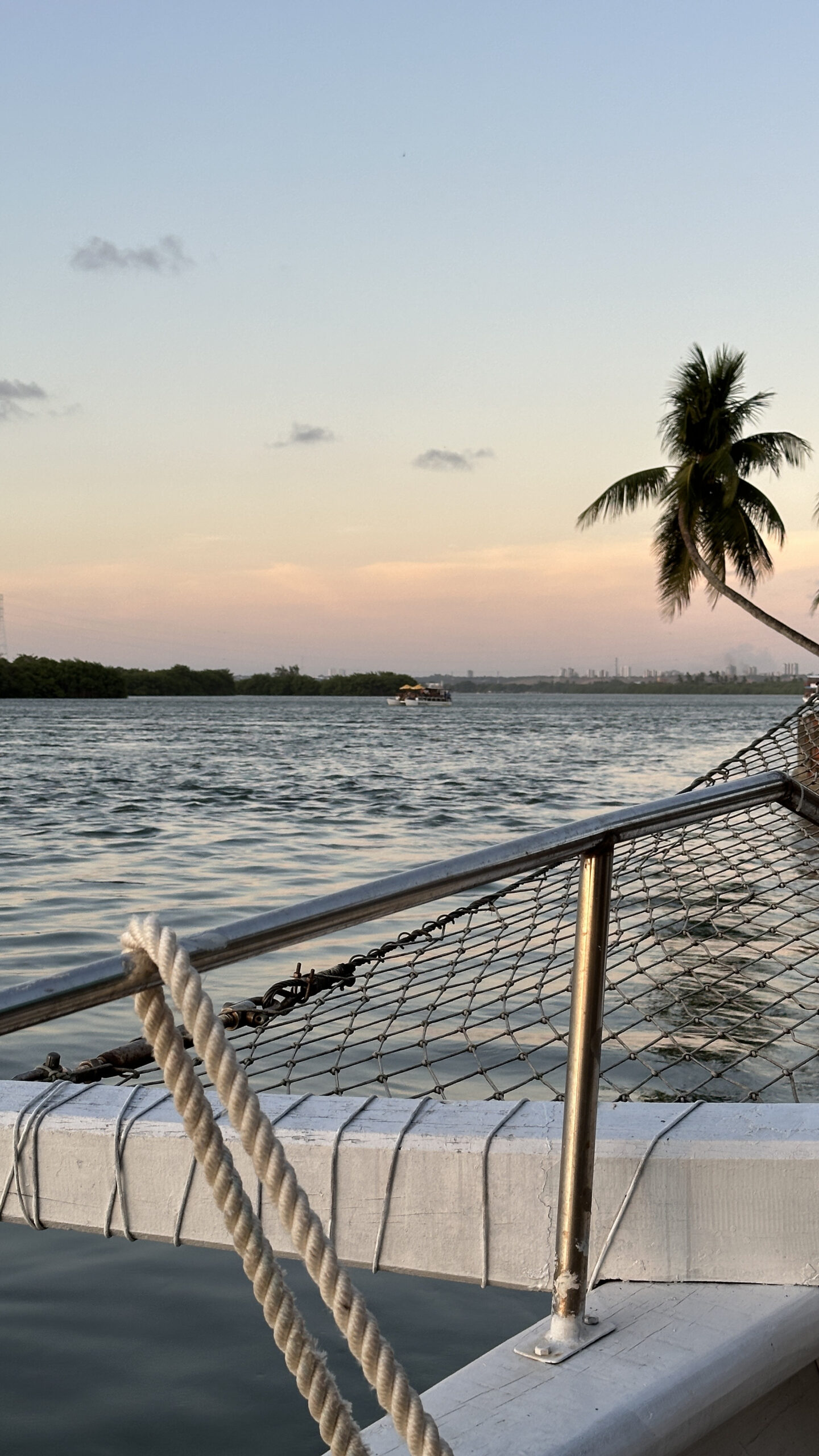
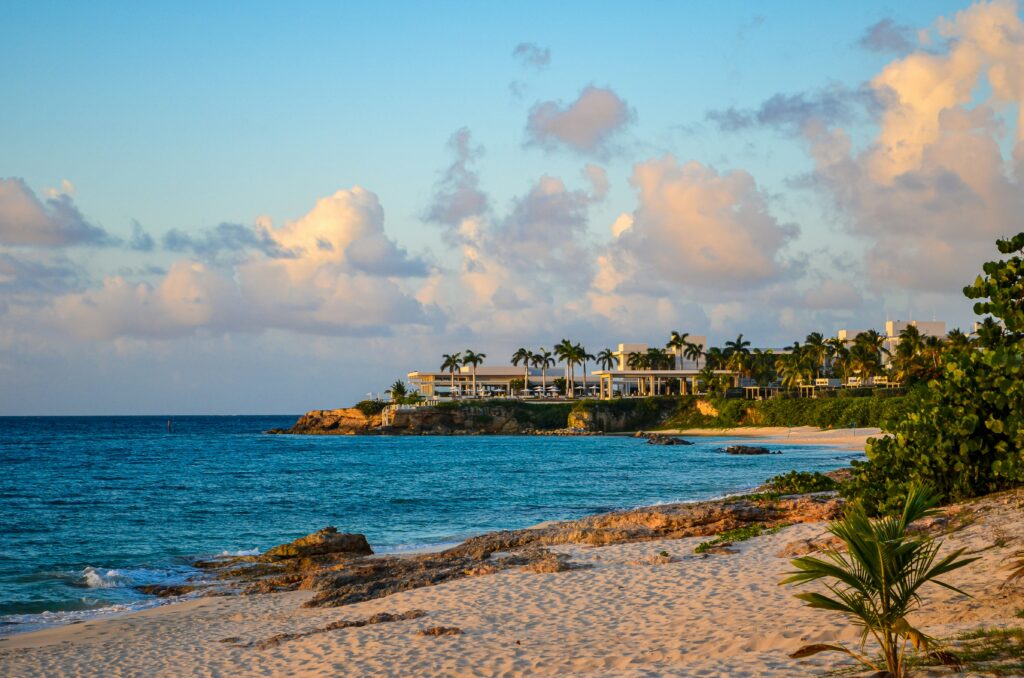
I recently planned a very comprehensive trip for clients to a destination I’d never personally been to before.
They submitted their feedback form after the trip, which they thoroughly enjoyed, BTW. But one comment in particular stuck with me. When asked whether they would work with a travel advisor again, they said, “Absolutely, but I think I’d want to understand more about using local travel partners and/or might be hesitant to go places that our advisor hasn’t been themself.”
And honestly, I’m glad they said it. It made me realize that travel advisor firsthand experience is probably something I don’t explain enough. And brings up the question: Does Your Travel Advisor Need to Have Been There?
Does Your Travel Advisor Need to Have Been There?
The reality is that it’s impossible for me, or really any travel advisor, to have personally been everywhere in the world. And even if I have been somewhere, that doesn’t necessarily mean I know everything there is to know about planning a trip there today.
Hotels open. Hotels change management. Service changes. Restaurants open and close. The best guides change. New tours are created. Neighborhoods evolve. Even if I visited a destination six months or a year ago, there could already be things that are completely different.
So while firsthand experience is incredibly valuable, I don’t think it should be the only measure of whether someone is qualified to plan your trip.
What matters much more to me is how they become educated about a destination and who they surround themselves with in the planning process.
Research: How Travel Advisors Learn a Destination
Before I ever start putting together an itinerary, I research. A lot.
For all trips, I spend hours in the pre-planning phase alone learning about the destination, even if it is somewhere I’ve been before. The best hotels, and which may be the best for that particular client. How to get there. The smartest routing. What there is to do. What travelers should know before going. The little nuances that can make a huge difference once you’re actually there.
And no, this does not mean going into AI, asking it all of my questions and walking away.
I’m reading travel blogs. Reddit threads. Hotel reviews across multiple sites. I’m asking my network of travel advisors who has been recently or who has sent clients there. I’m looking at maps and studying logistics.
One of my favorite research tricks is actually looking at a destination or hotel’s tagged photos on Instagram. What does it look like when it isn’t a perfectly styled professional photo? Are real travelers posting about it? Does the hotel actually look and feel the way it presents itself online?
If there is a rabbit hole of information to go down, I am probably going down it for you.
And after four years in this business, chances are also pretty good that someone in my network, whether another advisor, hotelier, or travel partner, has firsthand experience there that I can tap into.
Travel Advisor Training
A huge part of my job that clients probably don’t see is how much ongoing education happens within the travel industry.
Hotels are constantly traveling around the country and the world to meet with travel advisors. Their sales teams come into New York, Connecticut, and other markets for meetings, lunches, roadshows, and presentations where they walk us through what is happening at their properties right now.
Maybe they renovated a wing of rooms six months ago. Maybe there is a new restaurant concept. Or, maybe one room category is worth the upgrade and another really isn’t. Maybe there is a particular season when I should steer a client toward or away from the property. These are the kinds of details they’re sharing with us, and the kinds of details that eventually make their way into the recommendations I give you.
Industry Relationships
Then there are the travel conferences.
Events like Virtuoso Travel Week, Departure Lounge Exchange, DUCO Italy, We Are Africa and ILTM Cannes bring together thousands of people from across the travel industry. During those conferences, my days are basically back-to-back meetings with hotels, tourism boards, safari companies, cruise lines, and destination partners from all over the world.
It is a little like speed dating for travel. In the span of a few days, I can sit down one-on-one with the GM of a hotel in Italy, a safari operator in Botswana, a resort in the Caribbean, and a destination partner in New Zealand.
Those conversations are part of relationship building, but they are also a huge part of how I stay educated.
I’m asking what is new, what has changed, what type of client is the best fit. Which room categories they love, what renovations are coming, when to visit, what experiences are new, and sometimes even what they would not recommend.
And those relationships matter, too. When I know the team at your hotel, there is someone I can contact before you arrive, someone who knows who you are and, importantly, someone I can call if something isn’t going the way it should.
My In-Country Partners
Then there is probably the most important piece of the puzzle. My partners on the ground.
If you’re already a client, you’ve probably heard me use the phrase “in-country partner.” In travel-advisor speak, this is usually called a Destination Management Company, or DMC.
These are companies based in the destination who specialize in planning travel there.
One thing that is pretty intentional about how I run my business is that whenever possible, I prefer working with partners who specialize in a specific country or region rather than a DMC trying to cover the entire world.
My Italy partner does Italy, my New Zealand partner does New Zealand and my Greece partner does Greece. You get the idea. And some are even more granular and specialized. I have a DMC that I only work with for Sicily, or another that specializes specifically in family travel in Europe.
These teams know things that you and I simply cannot learn from Google.
They know which room category actually has the best view, which guide is fantastic with kids, which driver can handle a complicated itinerary. Which restaurant has suddenly become impossible to book. Which boat captain everyone loves. Which hotels are doing really well right now, and sometimes which ones aren’t.
They also have direct relationships with the guides, drivers, boat captains, hotels, and experience providers we are booking.
That local knowledge is exactly why I use them.
And importantly, I am not blindly handing your trip over to someone else. I am still very involved in shaping the itinerary, selecting the hotels, asking questions, challenging recommendations when something doesn’t feel right, and making sure the final trip actually feels like you.
The local partner is another expert at the table.
Travel Advisor Firsthand Experience
Of course, I love recommending places I have experienced myself. Firsthand knowledge is incredibly useful, and I spend a lot of time and money every year traveling, doing site inspections, and participating in industry trips specifically so I can continue building that firsthand knowledge.
But I don’t think a passport stamp alone is what makes someone qualified to plan your trip.
For me, the value is in the combination of firsthand travel experience, research, industry training, relationships, and trusted local expertise.
My job isn’t to pretend I have personally slept in every hotel room or taken every tour I recommend.
My job is to know how to find the right answers, ask the right questions, work with the right people, and ultimately save you from having to spend hours and hours figuring all of this out yourself.
I think about it a little like working with an interior designer.
If your designer recommends a specific sofa, you probably aren’t asking whether they have personally owned that exact sofa. You trust that they understand your style, have done the research, know the manufacturer, and believe it is the right choice for your home.
Travel planning is actually pretty similar.
I may not have personally sat on every sofa.
But I’m going to do everything I can to make sure you don’t end up with the travel equivalent of one that looks beautiful online and is wildly uncomfortable once it arrives.

